
The Five Stage Anatomy of Transformation
Change is not a mechanical system update, but the reprogramming of human psychology; codes will not run unless minds are convinced.
When companies want to introduce a new software, a new production line, or a new management system, they realize that the biggest obstacle is not technology, but the innate human psychological resistance to change. The human brain is programmed to protect the current order (the comfort zone) in order to survive. Therefore, when companies simply tell their employees "We have installed a new system, you will use this now," the system collapses. The most effective engineering model designed to break this psychological resistance and turn change into a permanent corporate behavior is ADKAR.
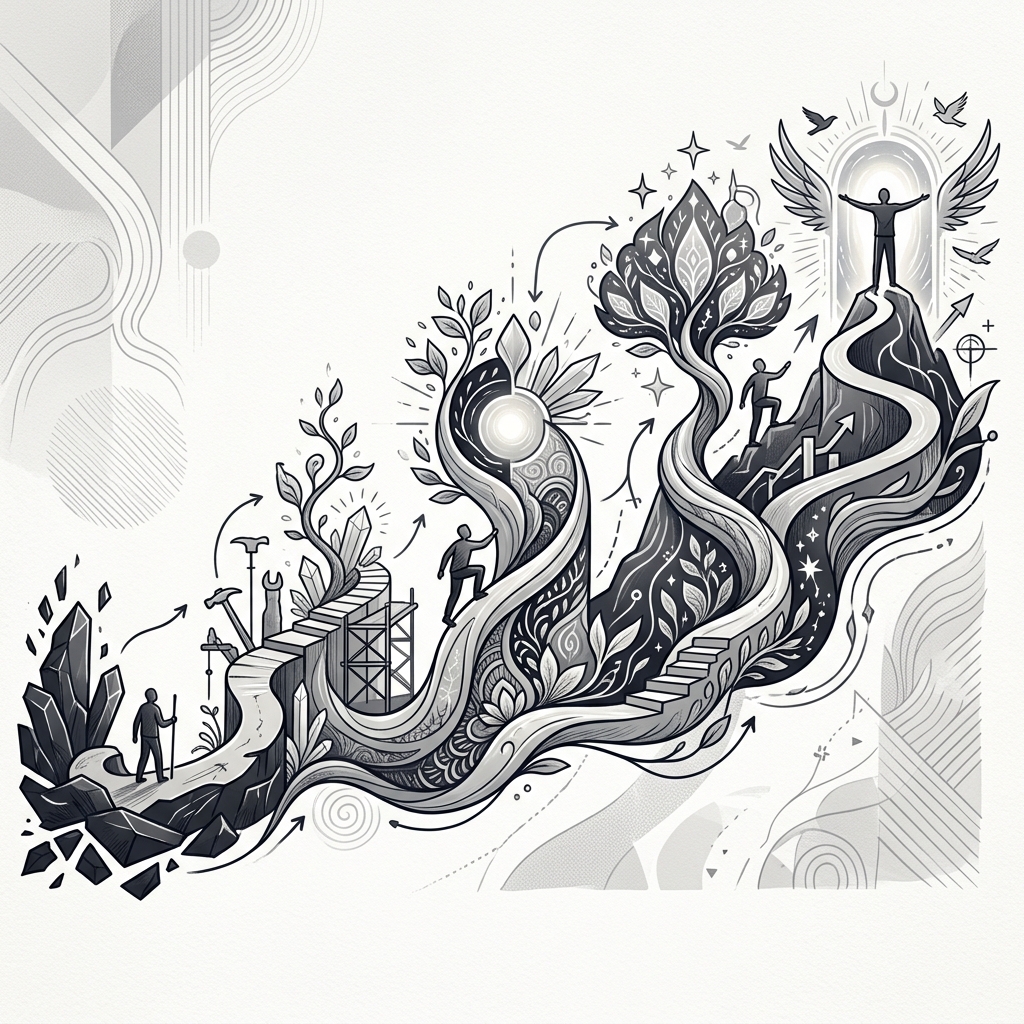
The ADKAR model argues that change should not be a top-down command, but must be built sequentially in the individual's mind through five structural stages: Awareness, Desire, Knowledge, Ability, and Reinforcement.
Think of this process as leading a person out of a dark cave into the light. First, you must make them feel that the walls of the cave are cracking and why it is dangerous. Then, you must convince them of how beautiful and livable the outside world is. If you skip these first two steps and try to drag them out by force, they will only dig their heels in and flee deeper into the cave.
Awareness
The first step of change is to clearly demonstrate why the current situation is no longer sustainable. Employees must understand the answer to the question "Why must we change?" by transparently seeing the crises, costs, or market losses the company faces. Any step taken without creating awareness is like trying to navigate in the dark.
Desire
Awareness alone is not enough; the employee must feel a personal willingness to participate in the change. The company must clarify how this change will benefit the individual (their career, daily workload, or earnings). Desire is the will to leave the cave. If the individual is not convinced that the change is in their best interest, they will sabotage it.
Knowledge
Once the individual desires the change, the question "How will I change?" comes into play. This stage involves providing theoretical training on how to use the new software, how the new process will work, or what the new roles require. Knowledge is the map showing the way out of the cave.
Ability
Theoretical knowledge does not always instantly translate into practical skill. You cannot learn to swim by reading a book. The ability stage is about giving the employee the opportunity to test what they have learned, make mistakes, and receive coaching to turn this knowledge into a real behavior. This stage is the concrete, muscle-powered steps taken while climbing toward the cave's exit.
Reinforcement
When change is achieved, human nature tends to revert to old and familiar habits. The reinforcement stage involves rewarding, celebrating successes, and establishing audit mechanisms to ensure the new system is permanent. To prevent the person who left the cave from returning, they must be strongly anchored to life outside.