
The Unsinkable Submarine Architecture
Crises destroy weak systems but merely test pre-engineered structures; business continuity is the mathematics of a corporation's survival reflex.
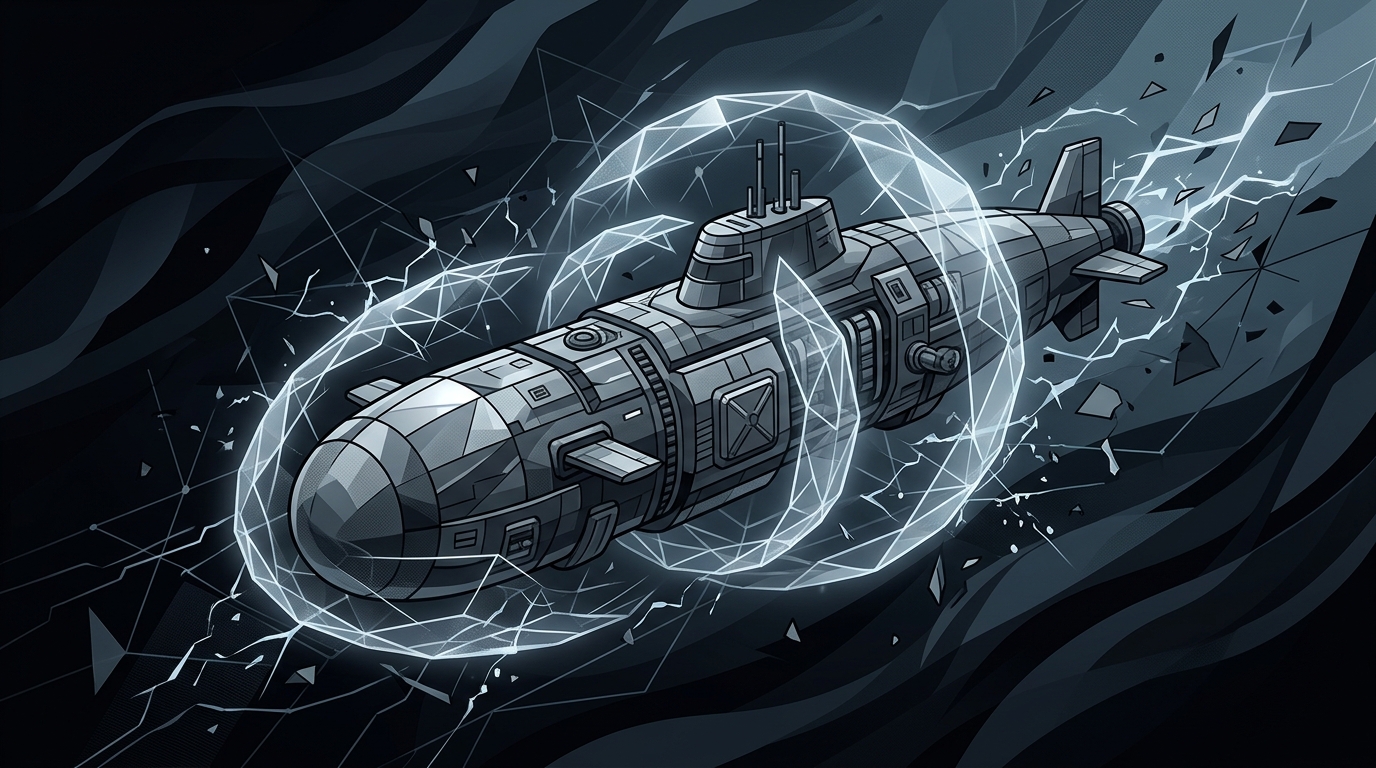
In the modern business landscape, the uninterrupted operation of systems is an existential necessity. Corporations, much like massive nuclear submarines, often have to sustain their operations in deep and dark waters (during crises). An unexpected accident, cyberattack, or supply chain collapse is like a sudden hole torn in the submarine's hull. The ISO 22301 Business Continuity Management System (BCMS) is the structural shield and set of emergency protocols designed to stop the water from rushing in and to use backup batteries to reach the surface safely even if the main engine fails.
Foundations of the Business Continuity Management System (BCMS)
Business Continuity is not just about rebooting servers during a crisis. It is a holistic engineering of corporate resilience that ensures the survival of operations, human resources, communication lines, and cash flow.
Business Impact Analysis (BIA)
BIA measures which functions of the organization are critical and how the financial, legal, or operational impacts of a disruption will grow over time.
- Identifying Critical Processes: On a submarine, if the entertainment room loses power, it's not an issue; but if the oxygen system fails, everyone dies. BIA identifies the oxygen systems (the core processes).
- Impact Timeline: It calculates the logarithmic increase in costs from the first hour of a disruption compared to the third day.
The Mathematics of RTO and RPO
Recovery metrics are vital thresholds determining how long a system can remain paralyzed.
- RTO (Recovery Time Objective): The maximum tolerable length of time that a computer, system, network, or application can be down after a failure. It is the measure of how long you can hold your breath underwater.
- RPO (Recovery Point Objective): The maximum acceptable amount of data loss measured in time. It is the calculation of how much recent history you can afford to lose in an explosion.
The Moment of Crisis and Alternative Vectors
ISO 22301 does not merely try to prevent disaster; it plans exactly which shields will activate the moment a disaster strikes.
Emergency Response Protocols
These are structural plans that prevent panic and preserve hierarchy during a disruption. If autonomous systems collapse, these protocols dictate exactly who will perform manual interventions and in what order.
Backup and Disaster Recovery Locations
When a company's main building or primary server is destroyed, this ensures operations can continue from a secondary location or cloud architecture.
- Hot Sites: Exact replicas of the main center, ready to activate in seconds (very expensive).
- Cold Sites: Inexpensive areas that have basic infrastructure but require hardware installation and days to become operational during a crisis.
Testing the System and Drills
A plan that looks perfect on paper is completely worthless unless it is tested under stress.
Stress Tests and Simulations
Organizations simulate scenarios like fires, earthquakes, or ransomware attacks to measure the real-world responses of their BCMS structures. This ensures that the submarine's emergency hatches actually seal against water pressure, allowing weak points to be repaired in advance.