Biological Capital and Intelligence Infrastructure
The true power of an organization lies not in its machines, but in the adaptive capacity of the minds that code and push those machines beyond their limits.
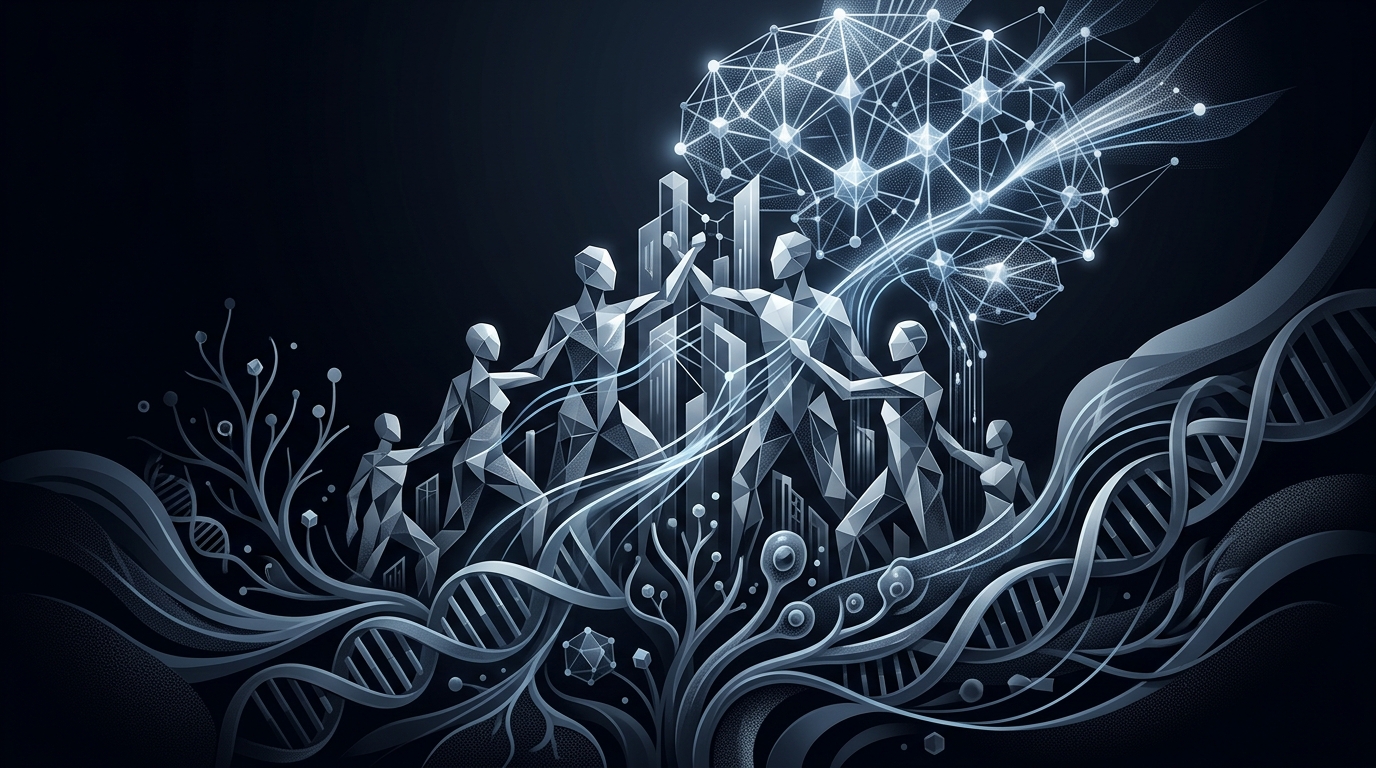
In modern enterprises, the human factor is not merely a resource; it is the fundamental algorithm that dictates how the system operates. Just as a computer, regardless of its hardware power, remains useless without an operating system, organizations cannot reach their potential without establishing the right intelligence infrastructure. This phase treats human intelligence and skills as the biological capital of the business and explores how to optimize this capital.
Talent Architecture and Integration
Bringing talent into an organization is like adding a new gear to a complex mechanism. This gear must accelerate the existing flow without damaging the system.
The System Compatibility Filter
Recruitment and placement processes act as a precise filter, eliminating parts that are incompatible with the system.
- Precision Placement: Every talent is positioned where they can perform at their highest and keep up with the system's velocity.
- Cultural Synchronization: Ensuring new individuals operate on the same frequency as the organization's core values reduces friction and increases efficiency.
The Engine of Performance and Growth
The continuous evolution of the system is only possible through measuring and incentivizing the performance of every single unit within it.
Calibration and Reward Mechanics
For an engine to run smoothly, fuel must be injected at the right time and in the correct amount. In human capital, this fuel represents fair compensation and development opportunities.
- Dynamic Feedback: Performance must be measured with real-time data, creating a continuous loop of improvement.
- Return on Investment: Training and development programs offered to employees are the most solid investments in the organization's future. These investments build tomorrow's leaders today.