
Progress Transforming Drop by Drop into an Ocean
Many companies look for innovation only in massively budgeted R&D projects or radical technological leaps. These moments of "great leaps" (Kaikaku) are rare and carry high risk. The Toyota Production System (TPS), however, believes that competitive advantage is hidden not in massive budgets, but in the invisible, small improvements made every single day. The name of this philosophy is Kaizen.
Composed of the Japanese words "Kai" (Change) and "Zen" (Good), Kaizen means continuous and never-ending improvement.
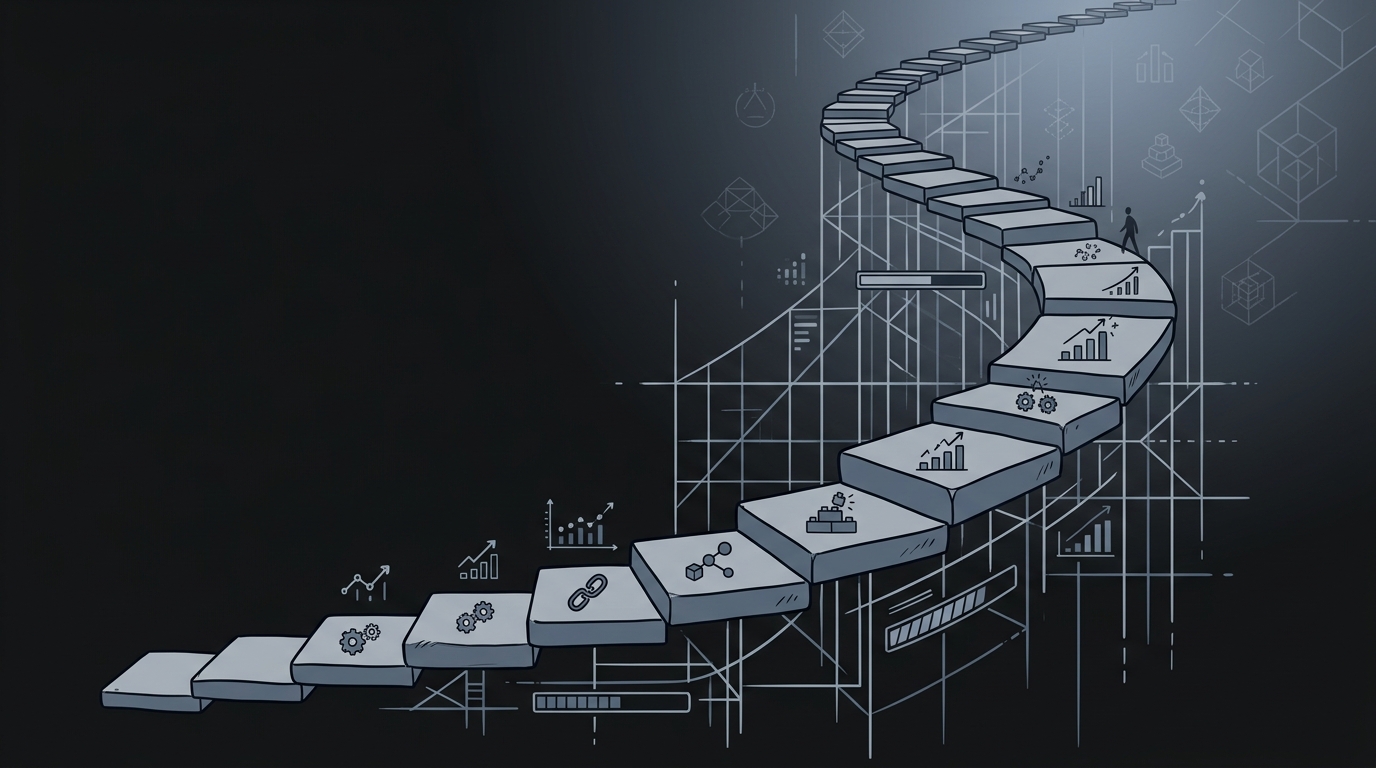
Rejecting the Status Quo
Kaizen is not merely a tool or a meeting format; it is a psychological stance. In the traditional business world, the rule "If it ain't broke, don't fix it" prevails. However, in the Kaizen philosophy, the core belief is "If it's working, there is absolutely a way to make it better."
If a process has been operating in the exact same way for the last 6 months, it means no Kaizen has been applied to that process; the organization has mentally stagnated. The Kaizen mindset accepts that perfection is not a final destination to be reached, but an infinite journey.
A Drop Becomes an Ocean
The power of Kaizen comes not from the size of the improvement, but from its frequency. A new $1 million machine designed by an engineer can give the organization a great momentum; however, $1 (or 1 second) improvements made every day by 10,000 employees in their own work processes alter the cultural DNA of the company.
- An arrangement that shortens the search time for documents on a desk by 5 seconds (5S).
- A simple plastic guide that prevents a machine part from being inserted backward (Poka-Yoke).
- A layout change that reduces walking distance on a production line by 2 steps (Elimination of Muda).
Each of these is a Kaizen. These microscopic improvements, which seem insignificant from the outside, compound at the end of a year to provide the company with an agility and cost advantage that competitors can never copy.
Embracing the Problem
The fuel of Kaizen is problems. In most cultures, problems are hidden or swept under the rug. In an organization practicing Kaizen, a problem is viewed as a "treasure." Because only a problem that comes to the surface and becomes visible (Andon) can be improved. The primary job of managers is not to tell their employees "Have a problem-free day," but to ask, "What problem did you find and solve today?"
Kaizen declares that improvement is not the monopoly of a single department (such as Quality or R&D), but the primary responsibility of every individual in the company (from the janitor to the CEO).