
Defying the Gravity of Inertia
When you bring new software (ERP), a new machine, or a new management system (Lean Manufacturing) into a company, the biggest obstacle you face is not budget or technical problems; it is Human Resistance. The sentence "We've been doing it this way for years, why should we change?" is the corporate world's most dangerous defense mechanism. The status quo is an invisible but extremely powerful force, much like gravity.
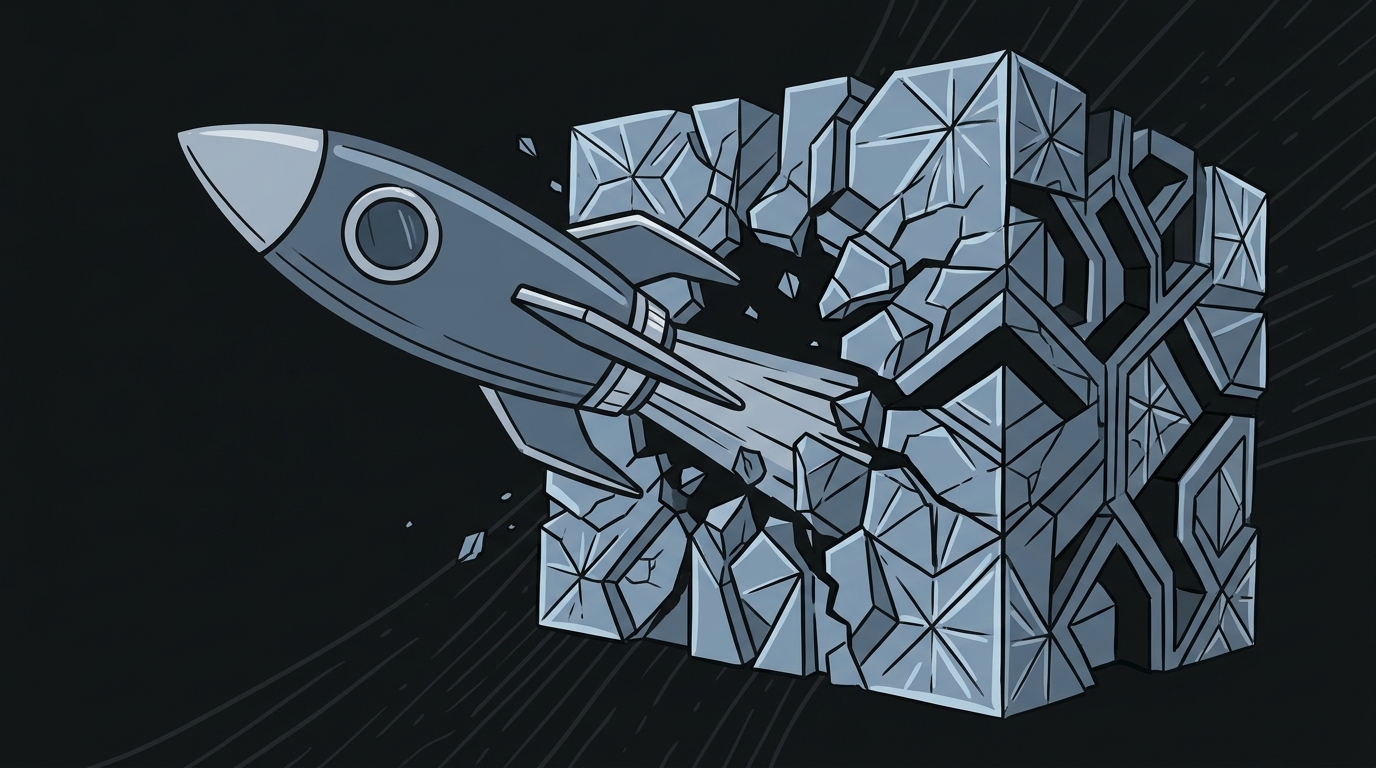
Change management is the science of overcoming this invisible gravity and putting the rocket into orbit.
Creating a Sense of Urgency
The number one reason change fails is that people do not understand "why" the change is necessary. If there is no storm outside, no one wants to leave their warm bed. The first step of John Kotter's famous change model is to create a "Sense of Urgency."
The leader must confront the company with the reality of "What will we lose if we don't change?" (The Burning Platform). However, this is not about driving people into a panic by saying "we are sinking"; it is about putting what competitors are doing, the drop in market share, or the increase in customer complaints on the table with transparent data. Resistance is broken when people are convinced that the pain of the current situation (staying in the status quo) is greater than the pain the change will bring.
Quick Wins
Change is a scary and long journey. If you tell people, "In 3 years, everything will be great," they will lose their faith along the way. The way to keep the energy of change projects (For example, a 5S or Kaizen implementation) high is to design "Quick Wins."
If you are setting up a new lean manufacturing system, don't try to roll it out to the entire factory immediately. Focus on a small line that is the most problematic and seems the easiest to solve (Pilot Area). A concrete and dramatic success you achieve there within 1 month (e.g., halving the scrap rate) is the most powerful propaganda material to make the entire factory say, "This system really works." Resistance is not broken by promises, but by small victories proven on the floor.