
The Greenhouse of Fearless Ideas
Traditional managers believe that managing a company through an "Empire of Fear" will yield the best results. Clichés like "Whoever makes a mistake pays the price" or "Don't come to me with a problem, come with a solution" keep employees constantly on edge. In the short term, people may strictly adhere to rules out of fear (Compliance), but in the long term, fear causes the brain death of the company (the cessation of Innovation).
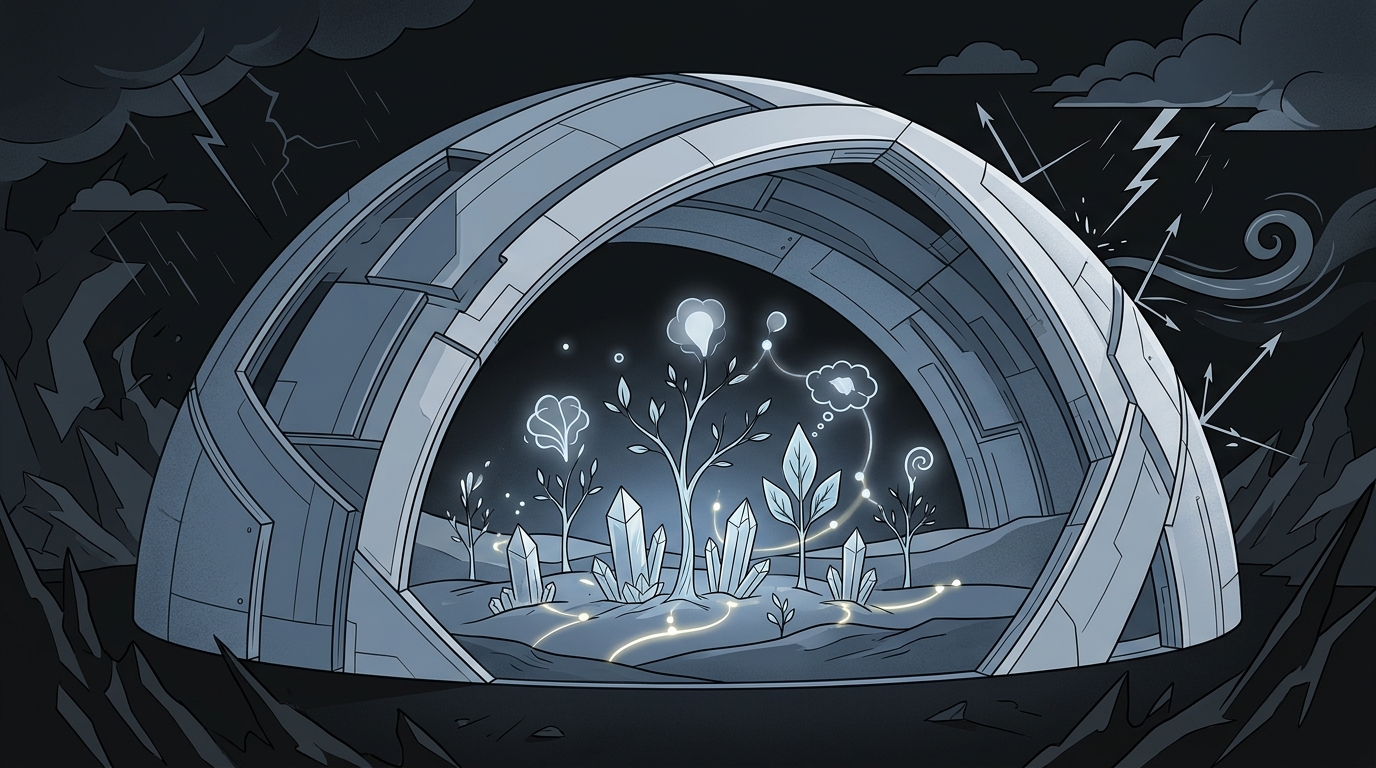
The Cost of Fear
In a company dominated by a climate of fear, employees strive not to avoid making mistakes, but to avoid getting caught when they make a mistake. When a machine breaks down or a process collapses (instead of pulling the Andon cord in Toyota's Jidoka principle), the problem is covered up and swept under the rug. 90% of those massive quality defects reaching the customer stem from an operator on the floor seeing that defect weeks ago and staying silent out of fear: "If I tell them, I'll be fired."
Fear blinds the company's radars. While managers think everything is fine, a massive crisis is accumulating in the background.
Building Safety: The Freedom to Make Mistakes
Psychological Safety, introduced to the literature by Amy Edmondson, is the belief that "if I take a risk, make a mistake, or voice a different idea in this team, I will not be judged, humiliated, or punished."This is ground zero for building autonomous teams. In an environment with psychological safety, an error is not considered a crime, but "R&D data" (a Kaizen opportunity) for the system to learn and improve. The leader's job is not to punish mistakes, but to build the system (Poka-Yoke) that will prevent the same mistake from being made a second time.
If the people on your team can oppose you in meetings and say, "This idea of yours won't work," it means you have passed the leadership test. A room without conflict and objection is not peaceful; it is a frightened room.