
The Echo Chamber Tied with Invisible Strings
In the classical business world, managers focused on only one thing: maximizing profit for Shareholders. The "just keep the boss happy" logic worked for many years. However, modern management systems (ISO) recognize that a company's life cycle is not dependent on a single group. The company breathes within a multi-player and complex ecosystem.
For the system to survive, it must satisfy not only the shareholders but all groups affected by the company's existence or that affect the company's existence (Interested Parties).
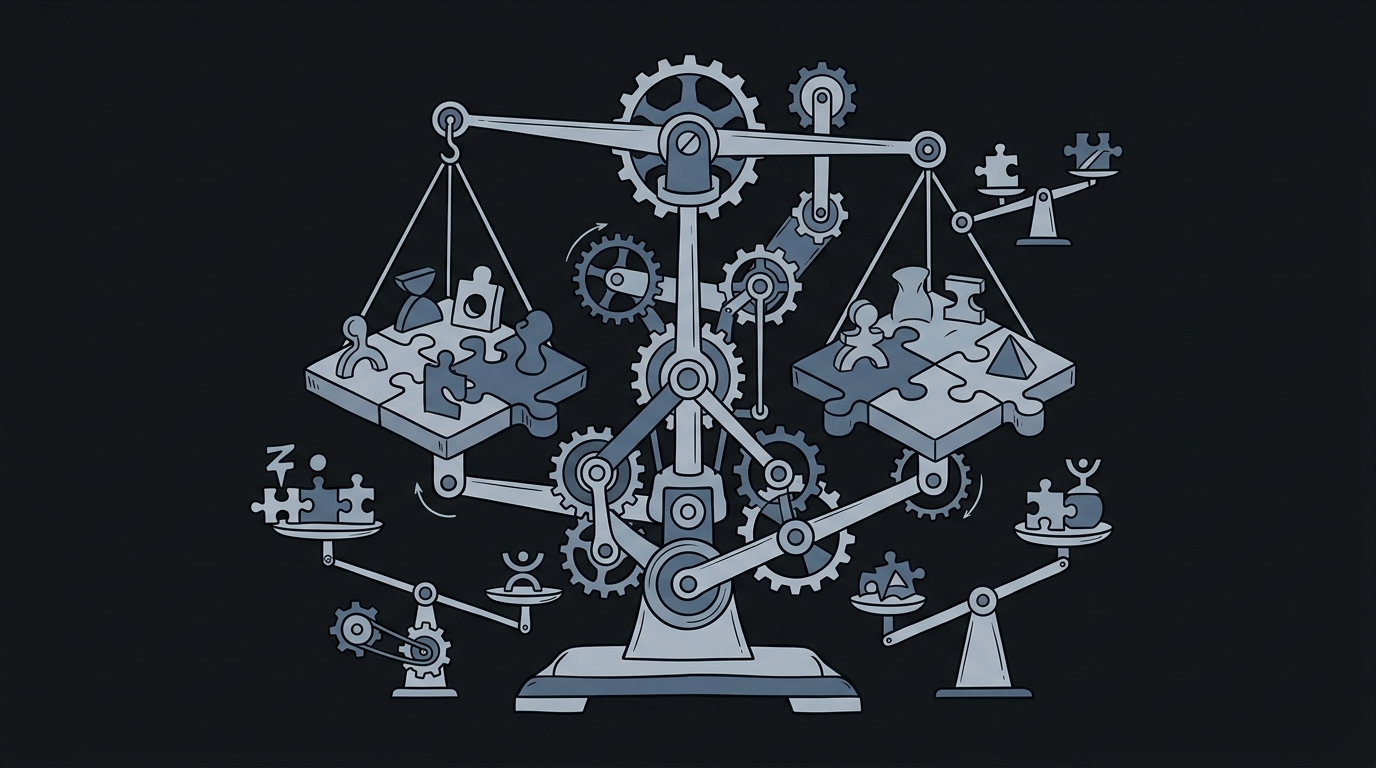
Whose Expectation is More Important?
ISO standards primarily ask the company to answer the question, "Who is my stakeholder?" Stakeholders are roughly divided into four categories:
- Customers: They expect quality, speed, reasonable pricing, and reliability. They are the lifeblood of the company.
- Employees: They expect not just a salary, but a safe working environment, psychological safety, career opportunities, and fair management. (Internal customer).
- Suppliers and Subcontractors: They expect regular payments, transparent communication, and a long-term partnership. A bad supplier can bankrupt you instantly.
- Government, Regulatory Authorities, and Society: They expect taxes to be paid, the environment to be protected, labor laws to be obeyed, and ethical trade.
Although the Quality Management System (ISO 9001) seems to focus on the customer, the Environmental Management System (ISO 14001) on society and the government, and the Occupational Health and Safety System (ISO 45001) on the employee, they are all deeply intertwined. A company with unhappy employees cannot produce quality products; and modern customers will not buy the product of a company that pollutes the environment.
Managing Conflicting Expectations
The place where the true art of management begins is the moments when stakeholder expectations conflict with each other.
- While the boss expects lower costs (Shareholder expectation), the customer might demand higher quality (Customer expectation).
- While the supplier demands a price increase, the company must protect its profitability.
- You might want to increase production during the night shift (Boss expectation), but you exceed legal noise limits (Society and Government expectation).
An effective integrated management system is the mechanism that puts these warring expectations on the table and ensures the balance (optimization) between them. A stakeholder whose expectations are not met (whether it's a supplier, an employee, or the local community) will sooner or later cause a crisis that will collapse the system.