
The Veins Nourishing the Bloodstream
In most companies, the procurement department is viewed merely as a "paperwork processing center" that tries to cut costs, gets three quotes and picks the cheapest, issues invoices, and gets approvals. However, if more than 70% of the parts assembled on a production line come from outside (from suppliers), your quality is essentially nothing more than your supplier's quality.
ISO 9001 (Clause 8.4 - Control of Externally Provided Processes) mandates transforming procurement from cheap material hunting into strategic Supply Chain Engineering.
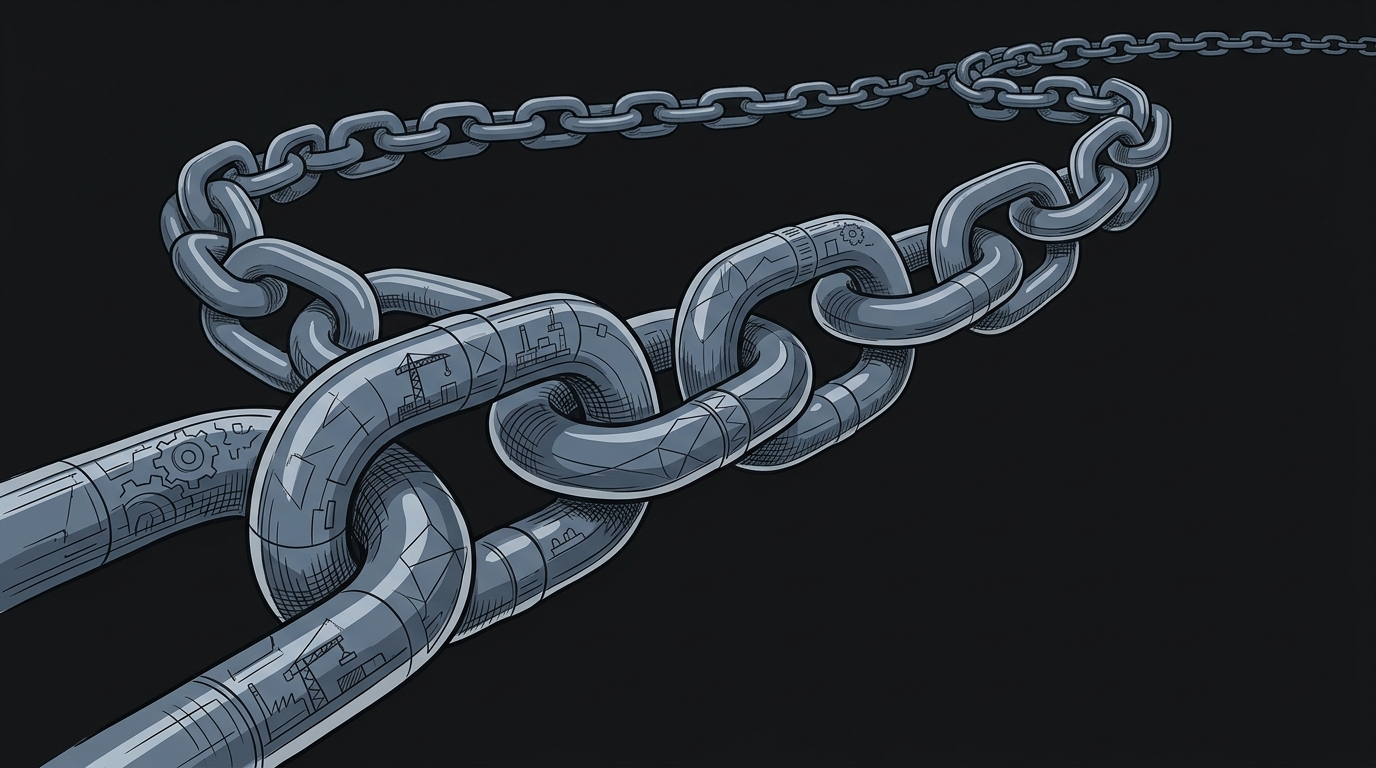
The Supplier is Not a Cost Item, but a Strategic Partner
If you view your supplier as an enemy and try to slash prices in every tender to the point of driving them to the edge of bankruptcy (Zero-Sum Game), the supplier will take revenge by lowering quality (cutting corners on materials) or missing deadlines. Ultimately, the part you bought at the cheapest price will cost you millions by shutting down your production line.
Modern management systems (and Toyota's legendary Keiretsu model) view the supplier as a colleague located beyond the outer walls of the factory. The goal is not to find the cheapest supplier, but to find the most competent supplier and work shoulder-to-shoulder with them to reduce costs "together."
Mathematical Tiers of Control
Standards do not expect you to treat every material and supplier exactly the same. A company must grade its suppliers according to the magnitude of the risk it is taking:
- Critical Suppliers: Companies that produce materials directly affecting product quality or occupational safety (e.g., an aircraft engine part). You don't just look at their ISO certificates; you visit their factories, audit their production lines, and statistically measure their Process Capability.
- Routine Suppliers: Those providing low-risk products like office stationery. A more flexible evaluation can be made for these.
Before a supplier whose performance is dropping (sending defective goods or constantly delaying) is removed from the list, they should be supported by the company for Root Cause Analysis. Procurement quality is the art of managing risks beyond your borders as if they were in your own backyard.