Invisible Credit Networks and Systemic Fragility
Capital that escapes the light of regulation always carves its own underground rivers; but when these rivers overflow, the bill is always paid by those on the surface.
The traditional banking system operates under strict capital adequacy ratios, deposit insurance, and tight supervision by central banks. However, capital by its very nature despises limitation and always flows toward the path of least resistance in pursuit of higher yields. The shadow banking system steps in exactly at this juncture; it refers to a massive network of financial intermediaries that create credit and provide funding just like banks, but operate without traditional banking licenses. While this system supplies immense liquidity to the economy, it simultaneously serves as the incubation center for the most devastating systemic crises.
The Invisible Engine of the Financial World
The Mechanics of Shadow Banking
The system consists of investment banks, hedge funds, insurance companies, and structured investment vehicles. Similar to banks, these institutions pool short-term funds from savers and invest them into long-term, higher-yielding loans or assets. The fundamental difference, however, is that shadow banks do not operate under the direct protective umbrella of central banks (Lender of Last Resort) or state-backed deposit guarantees. When market confidence shatters, this reality creates a catastrophic fragility that can cause the entire system to collapse instantly.
The Underground Pipeline Metaphor
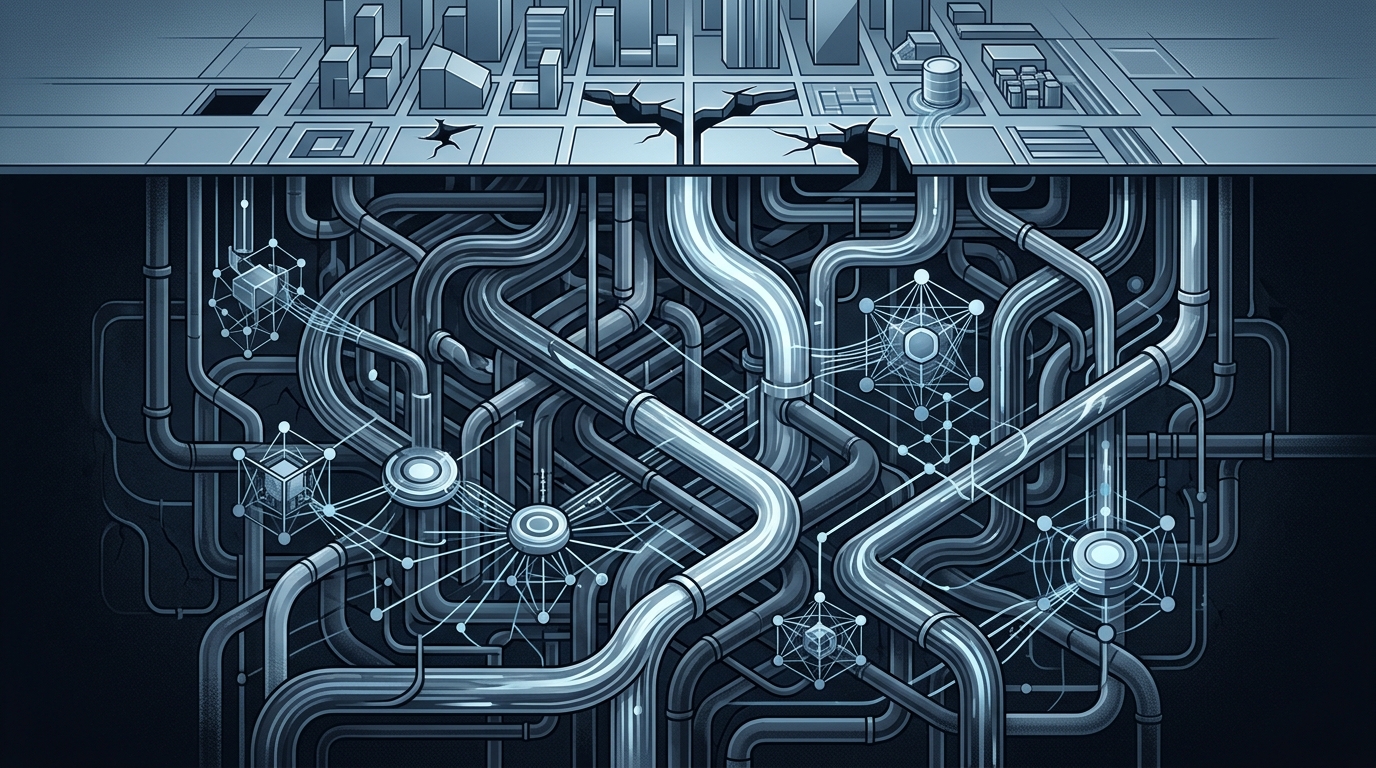
Imagine the shadow banking system as a massive, unofficial, and completely unmapped underground water pipeline network running beneath a bustling city (the economy). While traditional banks measure water from the dam with official meters and distribute it through regulated safety valves, shadow banks secretly draw water directly from raging rivers and pump it at high pressure straight into factories. As long as the water flows (liquidity is present), everyone is happy, and the factories produce rapidly. But when one of these unregulated pipes bursts under extreme pressure, the city is flooded. Because there is no official authority to shut off the underground valves, the crisis rapidly surfaces and paralyzes the official water grid as well.
Components of the Shadow Banking Ecosystem
Money Market Mutual Funds
Money market funds are colossal pools where individuals and corporations park their cash for short-term returns. Technically, they function much like a bank deposit, offering investors the flexibility to withdraw their money at any moment. Behind the scenes, however, fund managers invest this cash into corporate commercial paper or short-term bonds. If the slightest panic strikes the market and thousands of investors demand their money simultaneously, the fund cannot liquidate its assets instantly, causing the system to freeze.
Securitization and Structured Vehicles
The most complex engineering marvel of shadow banking is the process of securitization. Hundreds of thousands of individual mortgage loans, auto loans, or credit card debts are bundled together and transformed into complex, tradable financial products (such as CDOs and MBSs) sold to global investors. While these structured vehicles appear to distribute risk efficiently across the system, they actually mask the true owners of toxic debt, creating an invisible web of risk.
Repurchase Agreements and the Repo Market
The repo market is the gigantic short-term borrowing mechanism that provides the daily fuel for shadow banking. Financial institutions borrow cash by pledging valuable assets like government bonds as collateral, agreeing to buy them back the next day with a small amount of interest. If the perceived quality of the collateral drops and "haircuts" increase, creditors abruptly stop lending cash, causing the engine of the entire financial system to seize up overnight.
Systemic Risks and the Architecture of Fragility
Liquidity Mismatch and Bank Runs
The most dangerous mathematical reality underlying shadow banking is the liquidity mismatch. Institutions secure their funding through extremely short-term (often overnight) borrowing while investing that exact same money into long-term, highly illiquid assets. If market confidence evaporates and funders suddenly demand their cash back, shadow banks are forced to sell their assets at massive "fire sale" losses. This dynamic is the digital, institutional version of a classic bank run, yet it operates without any state guarantees to restore confidence.
High Leverage and the Contagion Effect
While traditional banks are legally restricted in how much they can borrow against their equity, shadow banks utilize extreme leverage to open massive positions with very little of their own capital. When markets rise, this leverage drives profits to astronomical heights; but when prices reverse, losses compound at the exact same terrifying rate. Worst of all, shadow banks and traditional commercial banks are so deeply interconnected through complex derivative contracts that a collapse in the underground network instantly poisons the entire global financial system through the contagion effect.